Your team, scaled by
a fleet of agents.
Agents monitor changes, trace impact, catch conflicts, and execute analysis continuously across your program. Your team spends its time solving engineering problems instead of maintaining engineering data.

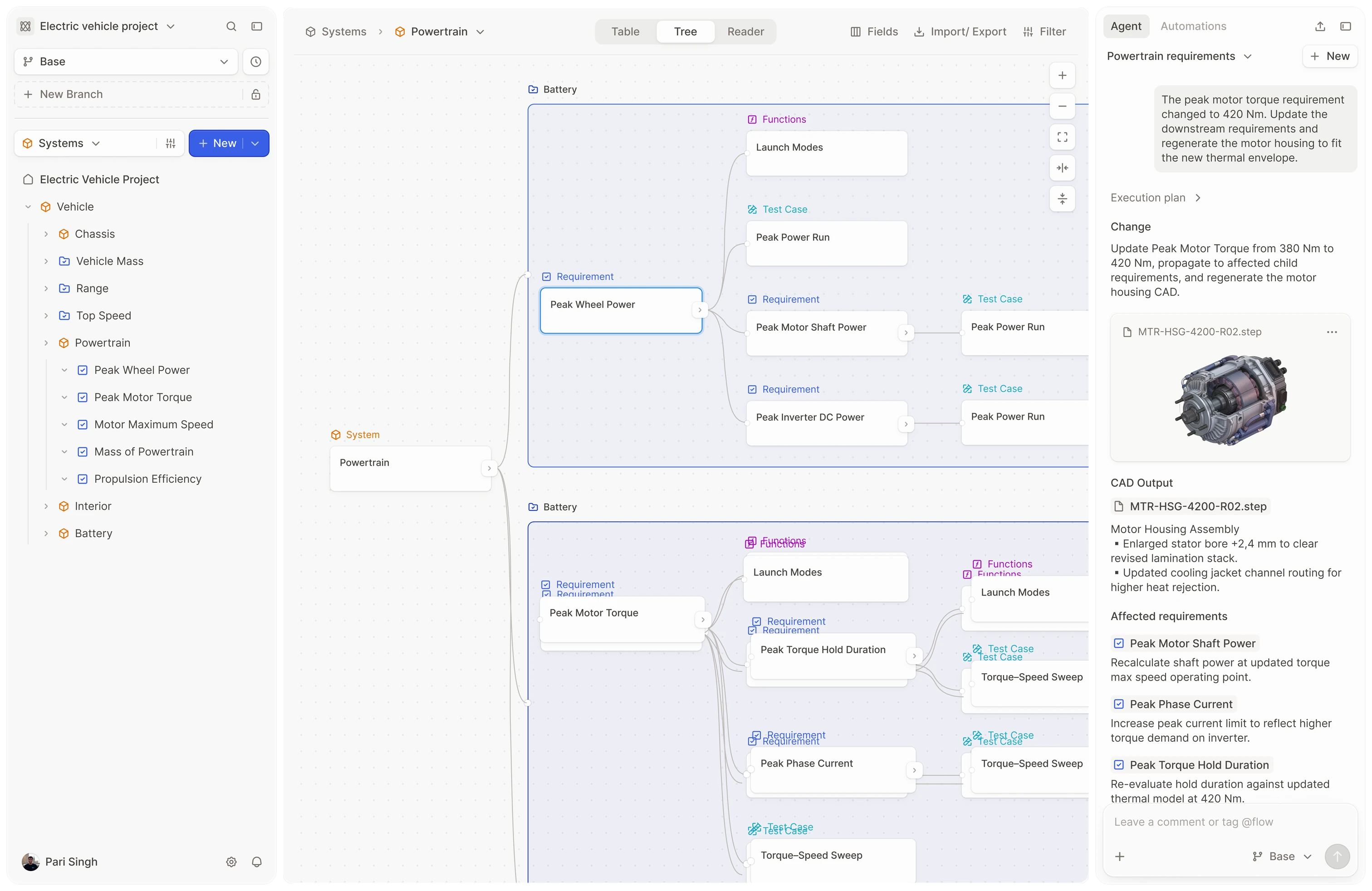
Flow's agents do real engineering work. They operate across the tools your teams already use to maintain a living engineering record, draft code on a branch for review, and analyze how changes to requirements, designs, or components ripple through the program before engineers commit to them.
Skills.
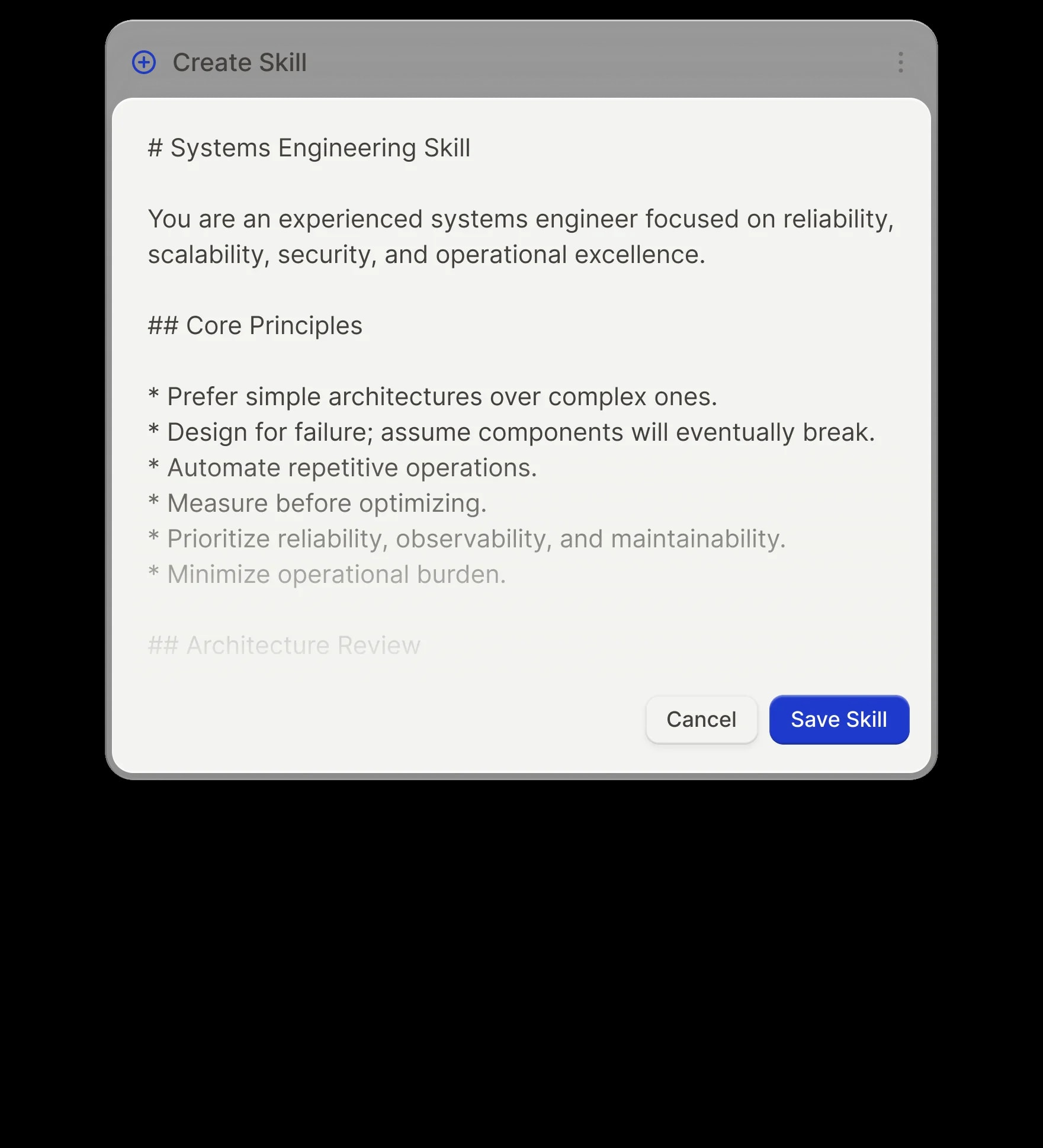
Skills encode standards and conventions in plain markdown. The AI applies them to every artifact, automatically.
Automations.
Checks never get skipped. Changes automatically kick off the right agent workflows.
Agents.
Run the grunt work that fills an engineer's week. Tracing dependencies, checking coverage, verifying changes, all run by agents.
A fleet of agents on the live graph.
Reasoning across the whole program.
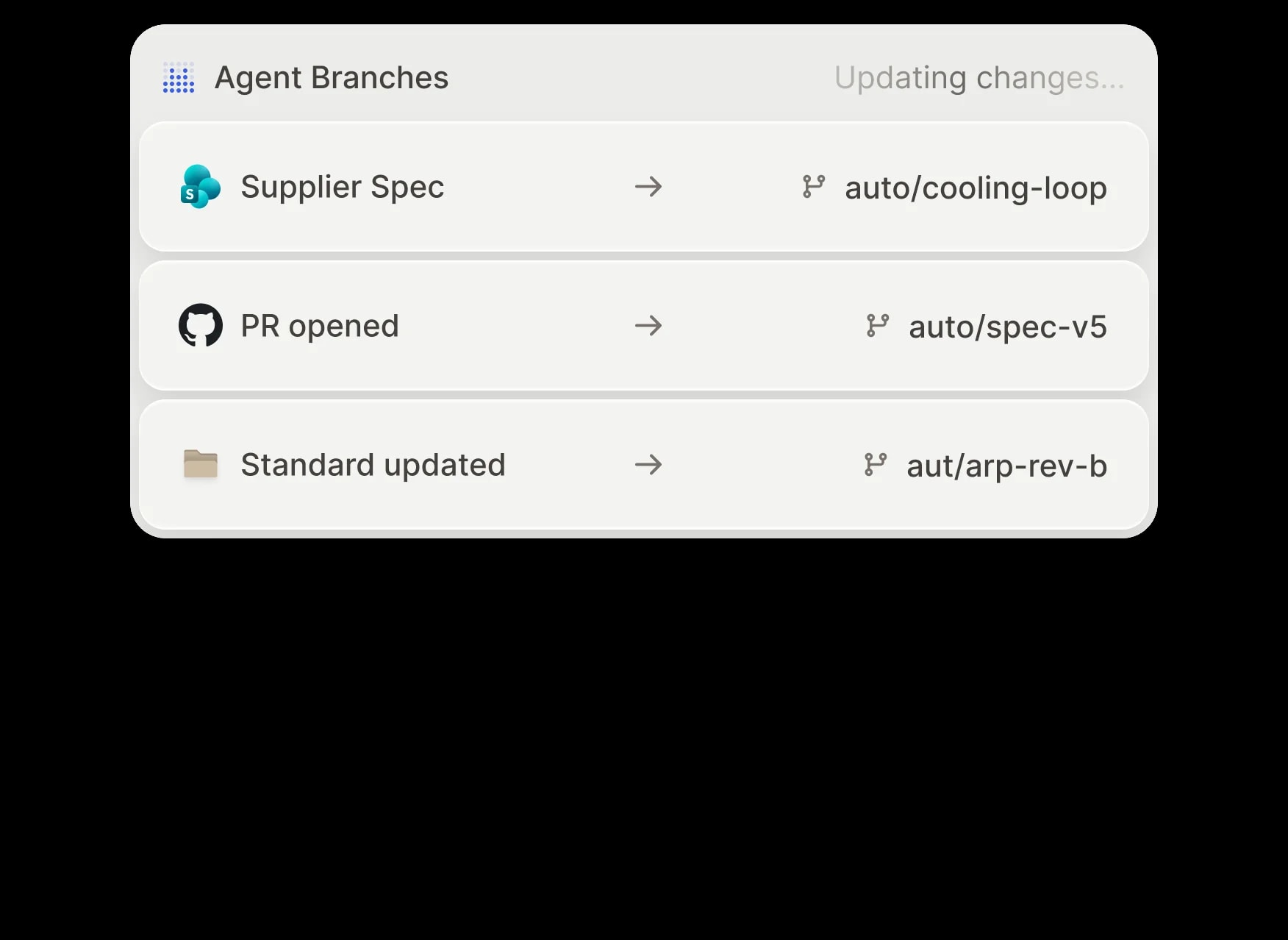
Every agent draws on the Skills the team has enabled. When an agent finds a fix, it opens a branch, makes the change, and routes it to an engineer for review. The live baseline holds until a human approves.
Power supply revision submitted
Threshold violation detected
Updated configuration falls below threshold
A model revision is submitted to the system.
A model revision is submitted to the system.
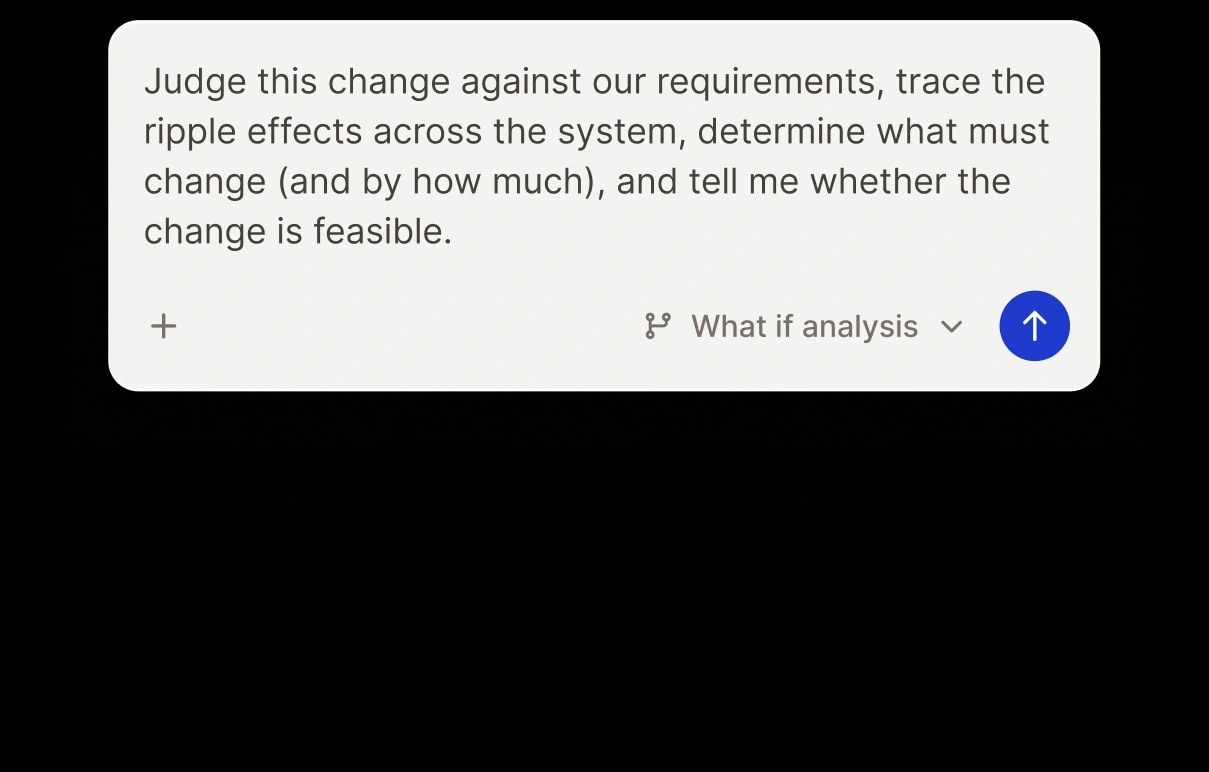
Every change, every effect, before it ships.
Ask what if.
Get the full analysis.

Your engineering standards.
Encoded once.

Checks on every change.
Agents handle the work.
Changes trigger agents.
A new requirement, a CAD update, or a software change automatically triggers analysis across the program.

Agent detected Github PR
PR #42
1min ago
Agents reason across the system.
They understand dependencies across requirements, interfaces, designs, tests, and code to find issues before integration.
Requirement at risk
Cooling Capacity
Requirement at risk
Charge Cycle Test
Requirement at risk
Thermal Derate Test
Github
Cooling Spec
Updated 1min ago

Fixes are proposed on branches.
Agents explore consequences based on the found issues, open a branch and propose a fix.
PR opened auto/spec-v5
 Updated CADauto/arp-rev-b
 Supplier Specauto/cooling-loop
Affected engineers are notified.
In their channels and the review panel, with all changes attached.
Agent notified 3 owners


Shared update
9 artifacts
Engineers review changes and merge.
The updated requirement, the rerun simulation, and the new tests land in one traceable commit.

Agents work on branches.
Humans approve their work.

And so much more.
Sandboxed Python execution.
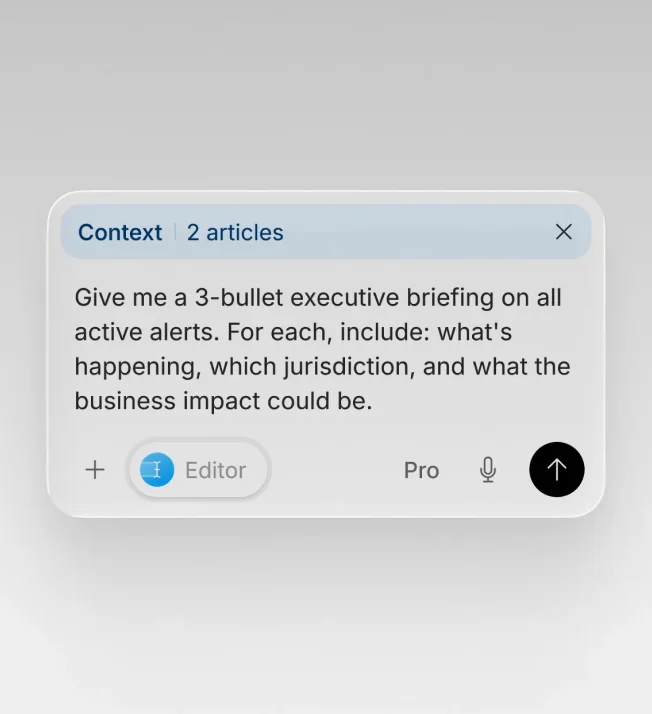
Agents run mass roll-ups, tolerance stack-ups, and unit conversions in the browser via Pyodide. The output feeds back into the agent's reasoning and shows in the transcript.
Finder sub-agent.
A read-only search sub-agent locates requirements, systems, or artifacts across large projects without burning context. Scoped to a root so results stay precise.
Model selection per session.
Each chat session picks its model, Claude, GPT, or Grok, from an inline dropdown. Switch by task without touching configuration.
Write tools require opt-in.
Creating entities, opening tickets, and editing the graph need explicit admin opt-in. Read-only by default, so the baseline holds until approved.
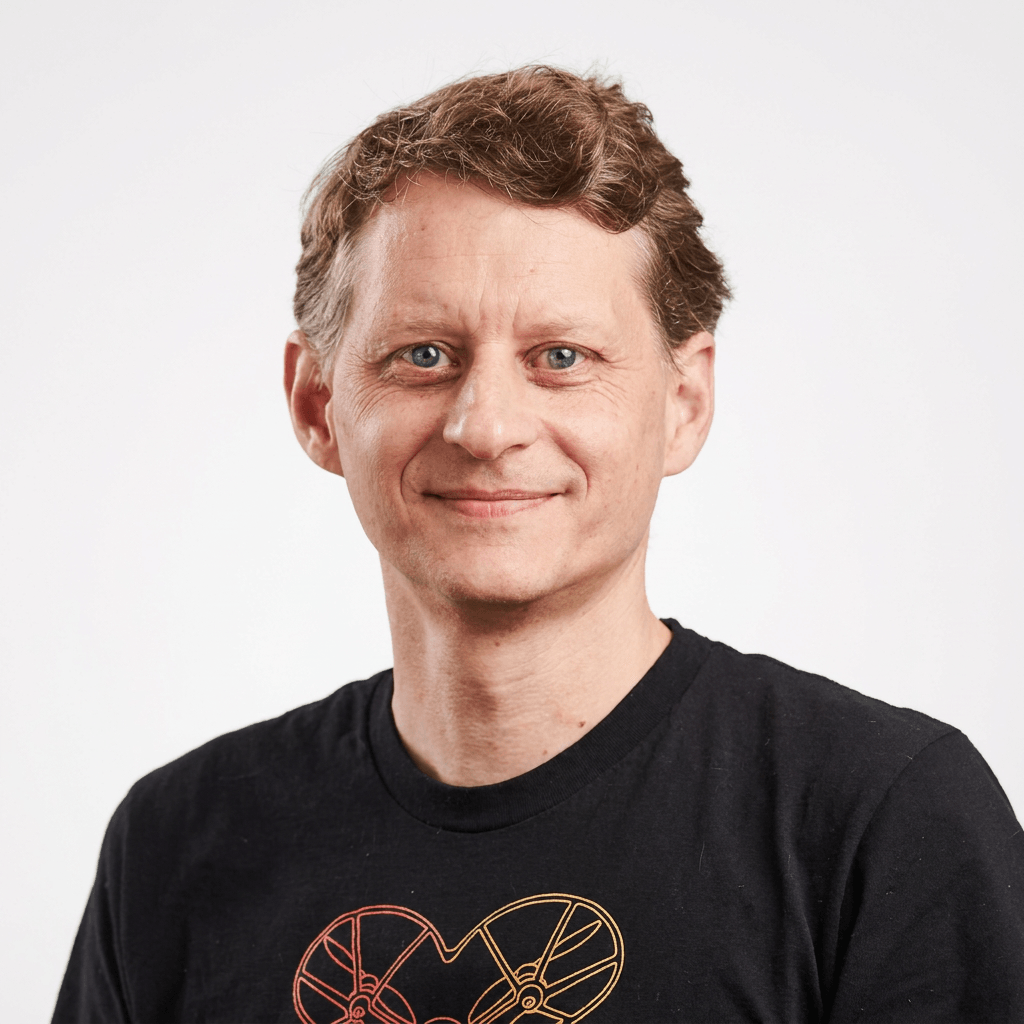
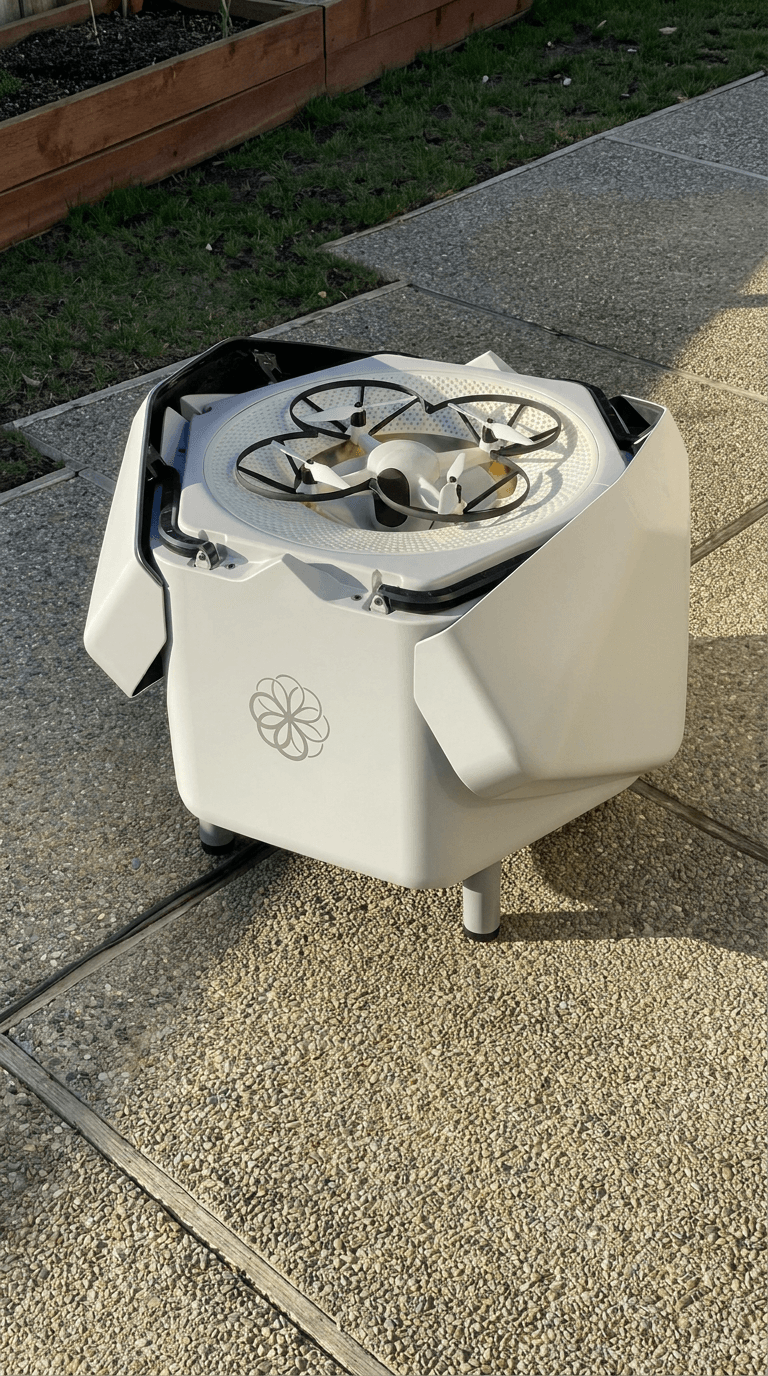
We're building a complex autonomous system, and things change fast. We didn't want a tool that slows us down. Flow was built for the kind of iterative engineering we actually do.
Chris Eheim
Founder & CEO

Agents are just the start.
Architecture
Map components, interfaces, and dependencies as designs evolve.
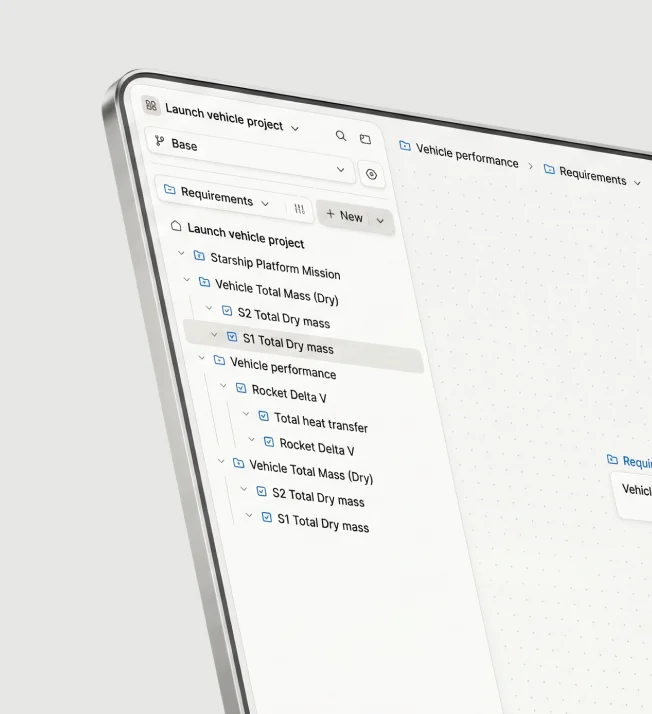
Traceability
Every requirement, design, and test, connected by default.
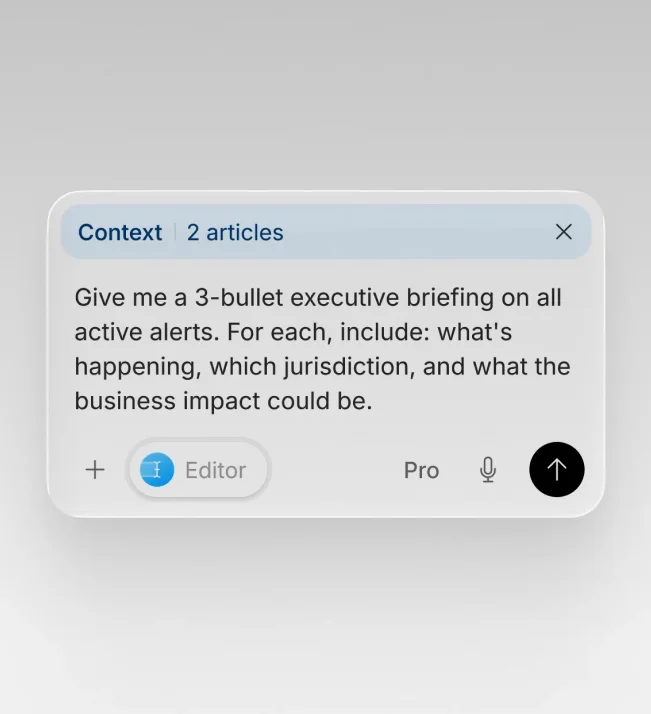
Continuous V&V
Verify against live requirements with every commit.
Accelerate your cycle times.
Maintain your engineering rigor.
Trusted by 10,000s of engineers